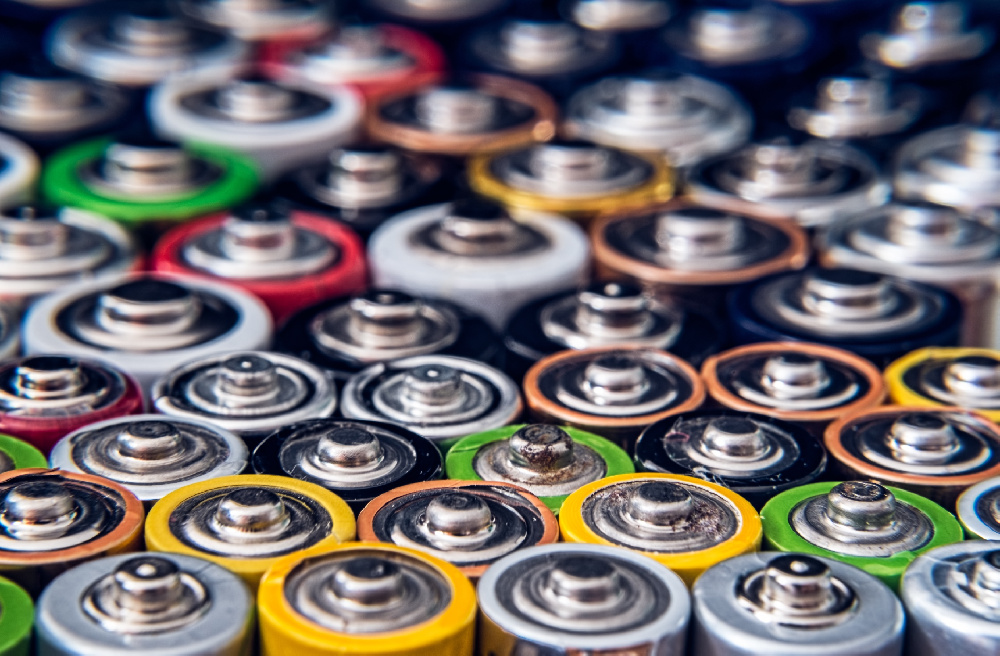
This year, many countries are facing energy shortages, leading to a surge in electricity prices and a significant increase in the demand for energy storage products. As a result, China's lithium battery exports have experienced explosive growth. With the favorable trend in lithium battery exports, how can cross-border sellers ensure the safe export of lithium batteries?
Lithium batteries and lithium battery products, due to their flammable, explosive, and leak-prone characteristics, are subject to strict regulations in cross-border transportation. In the past two years, there have been numerous incidents involving the transportation of lithium batteries, prompting shipping companies to impose more stringent requirements.
1. Classification of Lithium Batteries
Products categorized as Class 9 dangerous goods under the UN3480 and UN3481 codes include:
UN3480: battery products such as lithium batteries, energy storage boxes, emergency power supplies, etc.
UN3481: devices containing lithium batteries, including Bluetooth speakers, smart robots, robotic vacuum cleaners, e-bikes, e-scooters, and tools with lithium iron phosphate batteries.
2. Essential Documents for Lithium Battery Transportation
Material Safety Data Sheet (MSDS): chemical and physical properties, pH, flashpoint, flammability, reactivity, and potential health hazards.
Goods Transport Conditions Identification Certificate: required for products with batteries shipped from mainland China, issued by a CAAC-recognized institution based on the UN38.3 test report.
UN38.3 Test Report: the battery safety performance test report required globally before any lithium battery shipment — button cells, batteries installed in devices, or batteries packaged with devices — can be transported.
3. Requirements and Procedures for Lithium Battery Dangerous Goods Packaging Certificate (DGPC)
Without the DGPC, the maritime bureau will not release the customs declaration and the goods cannot be loaded onto the ship. The process runs through five stages: the battery manufacturer orders custom boxes from a qualified paper box factory; the factory applies for customs box inspection; customs confirms the factory and samples the boxes for pressure and drop testing; customs issues a packaging performance inspection form; and the manufacturer applies for the DGPC itself, typically receiving it within 5 to 7 working days after an on-site inspection.
4. Packaging Requirements for Exporting Lithium Batteries and Equipment
Batteries must pass UN38.3 testing, including a 1.2-meter drop packaging test.
External packaging must bear Class 9 hazardous materials labels showing the UN number.
Designs must prevent explosions under normal transport conditions, with measures against external short circuits.
Packaging must be sturdy enough to prevent short circuits and equipment must be securely fixed to prevent movement.
External packaging should be waterproof, and lithium batteries should be loaded on pallets with protective corners to avoid vibration damage.
Containers must be reinforced to the standard of the importing country to avoid detention at the destination port.
Exports to North America must display Class 9 hazardous materials labels in the specified container locations.